Understanding Shower Hinge Types: 0° Fix Clip, 90° Wall-to-Glass, 180° Glass-to-Glass (SA-75 to SA-78)

Engineering guide on CP mirror polish brass & SS shower hinges, glass cutout dimensions, and self-closing spring angles.
What glass thickness is compatible with Salasar CP shower hinges?
Salasar CP shower hinges (SA-75 to SA-78) are engineered for 8mm to 12mm toughened safety glass panels.
Glass Hardware Architecture for Frameless Shower Cubicles
Frameless glass shower enclosures demand high precision hardware engineered to support heavy toughened glass while remaining completely rust-proof in wet, humid environments.
Key Hinge Configurations
1. SA-75 (90° Wall-to-Glass Hinge): Connects a fixed wall to an opening glass door panel. Features automatic self-closing mechanism from 25° angle. 2. SA-76 (180° Glass-to-Glass Hinge): Joins two inline glass panels at 180° alignment for continuous glass facades. 3. SA-77 (90° Glass-to-Glass Corner Hinge): Connects two glass panels at right angles for corner shower cubicles. 4. SA-78 (0° / 90° Fix Bracket Clip): Rigid wall clamping bracket to secure fixed glass panels safely without motion.
Material Specifications & Loading Limits
- Material: Solid Brass & 304 Grade Stainless Steel - Finish: Mirror Chrome Plated (CP) / Matt Black - Load Limit: 45 kg per pair (Max door width 800 mm)
Have Questions About Profile Specifications for Your Project?
Speak directly with our metallurgical sales team. We assist architects and structural contractors with die design, alloy selection, and wind load calculations.
Written by Salasar Technical Team
Technical Hardware & Aluminium Engineering Team at Salasar Aluminium & Hardware, Raipur. Expert guidance on door kits, closers, shower hinges, and architectural fittings.
Read Next
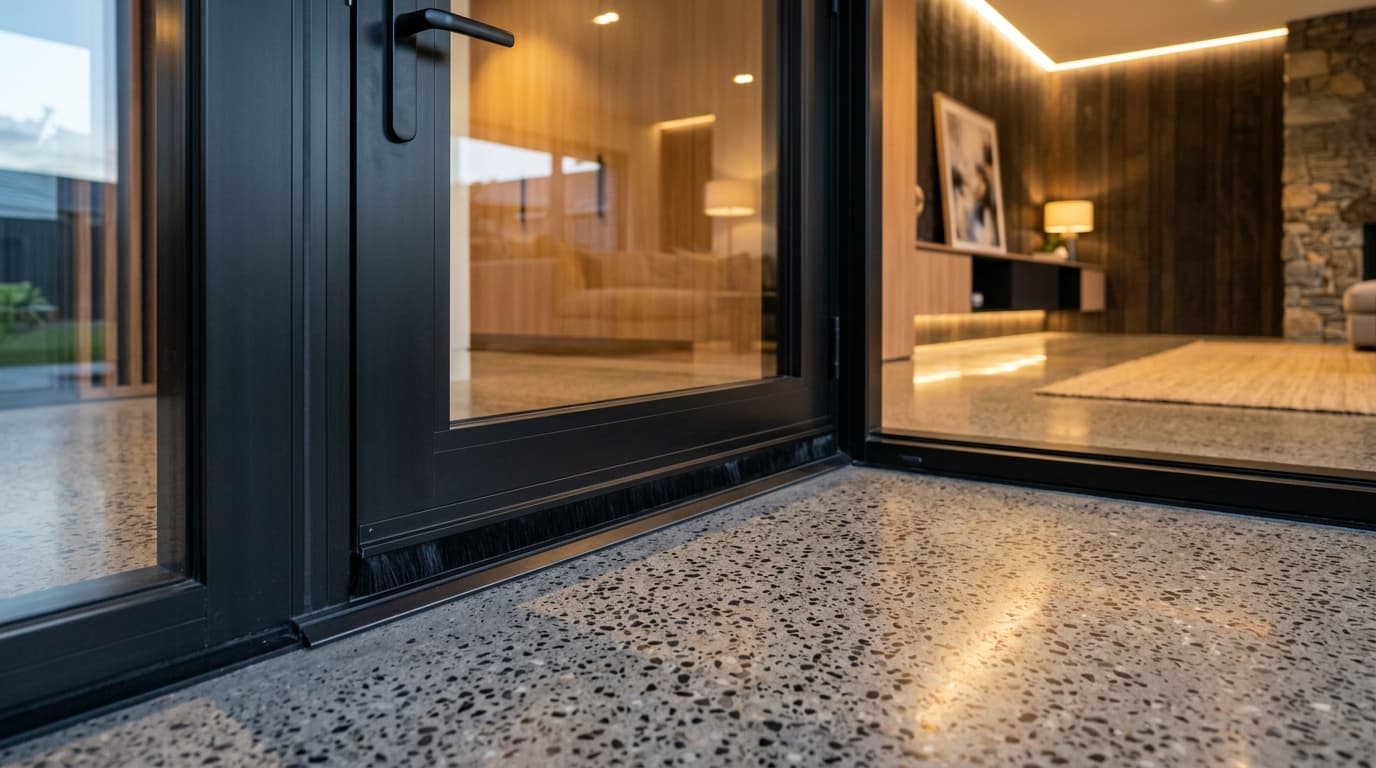
How to Stop Dust Coming Under a Door
The gap under the door is the biggest opening in most rooms. Which seal suits which door, and why brush beats rubber on a door that opens all day.

Aluminium Door Handle Types Explained: D, H, American and Taiwan
Four handle profiles, what each suits, and how to get the fixing centres right so you are not drilling a second set of holes.