Stainless Steel vs Plated Hardware: When the Extra Cost Is Worth It
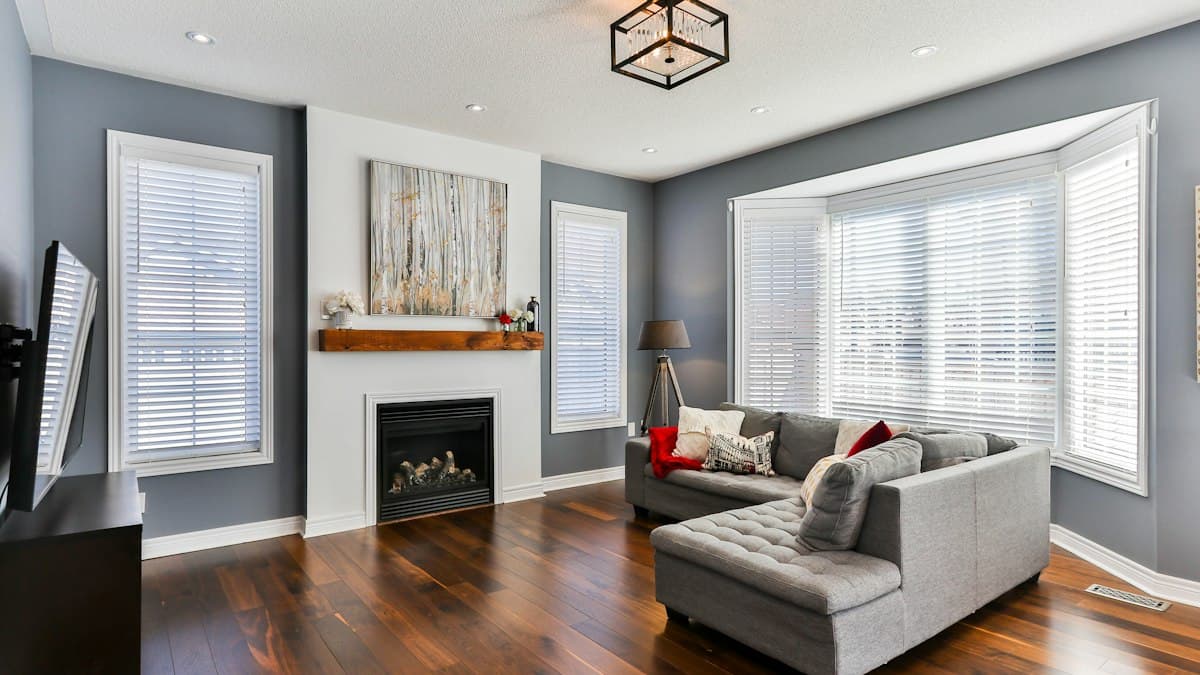
Plated mild steel is fine in a dry room and a false economy in a bathroom. Where the line falls, and why Korba and Raigarh are different.
Is stainless steel hardware worth the extra cost?
In a dry interior, usually not — plated mild steel lasts a long time and the difference is hard to justify. In a bathroom, a kitchen, or anywhere with industrial air, yes: once the plating is scratched, corrosion runs underneath it and the mechanism stiffens.
How plating actually fails
A plated mild steel fitting is ordinary steel with a thin protective layer, usually zinc or chrome. The steel underneath rusts readily; the plating is the only thing between it and the air.
That layer is continuous until something breaks it — a screwdriver slip during fitting, a knock, or simple wear where a hand or a bolt passes repeatedly. From that point corrosion starts at the scratch and works sideways under the plating, lifting it as it goes.
This is why plated hardware rarely fails gradually and evenly. It looks fine for years, then deteriorates quickly from one damaged spot.
Stainless steel does not have a layer to lose. Its corrosion resistance comes from the alloy itself, so a scratch exposes more of the same material rather than a vulnerable core.
Where plated is genuinely fine
In a dry bedroom, living room or office, plated hardware will outlast most people's interest in the door it is fitted to. Air is dry, temperature is stable, nothing condenses.
We will say so when asked. Specifying stainless for every fitting in a house is not value, it is overspending in rooms that will never test the difference.
Where it is a false economy
Bathrooms are the clearest case. Humidity is high for hours a day, condensation forms on metal, and the cycle repeats indefinitely. Plated hardware in a bathroom is the most common corrosion complaint we get.
Kitchens follow, for the same reason plus grease and steam.
Anything exposed to weather — an external door handle, a terrace bolt, a window fitting that catches rain — is outdoors in practice even if the frame is not.
And then there are the industrial districts.
Korba and Raigarh specifically
These two deserve naming. Korba's air carries coal dust and the emissions of a concentrated power generating belt. Raigarh has steel, sponge iron and captive power plants along its main roads.
Industrial atmosphere is more aggressive than humidity alone, and plating gives up faster there than anywhere else in the state. If you are fitting hardware in either district and the choice is close, take the stainless version. This is the one recommendation we would make without qualification.
What we stock in both
Several of our lock patterns exist in both materials so the choice is a straight swap rather than a different fitting. SA-14 and SA-15 are the mild steel straight and L-type window latches; SA-18 and SA-19 are the stainless equivalents in the same shapes.
Friction stays and arm stays for casement windows are stainless as standard, because they sit in the weather by definition. Shower hinges are chrome-plated brass rather than steel — brass does not rust, and the plating there is cosmetic rather than protective.
A note on screws
The fitting and the screws holding it are separate decisions, and people forget the second one.
There is no point specifying a stainless lock and fixing it with plated screws into a bathroom door. The screws corrode, stain the fitting, and seize in their holes so the lock cannot be removed later without drilling.
Match the screws to the fitting. It is the cheapest part of the job and the one most likely to cause trouble.
Have Questions About Profile Specifications for Your Project?
Speak directly with our metallurgical sales team. We assist architects and structural contractors with die design, alloy selection, and wind load calculations.
Written by Abhishek, Salasar Aluminium & Hardware
Technical Hardware & Aluminium Engineering Team at Salasar Aluminium & Hardware, Raipur. Expert guidance on door kits, closers, shower hinges, and architectural fittings.
Read Next
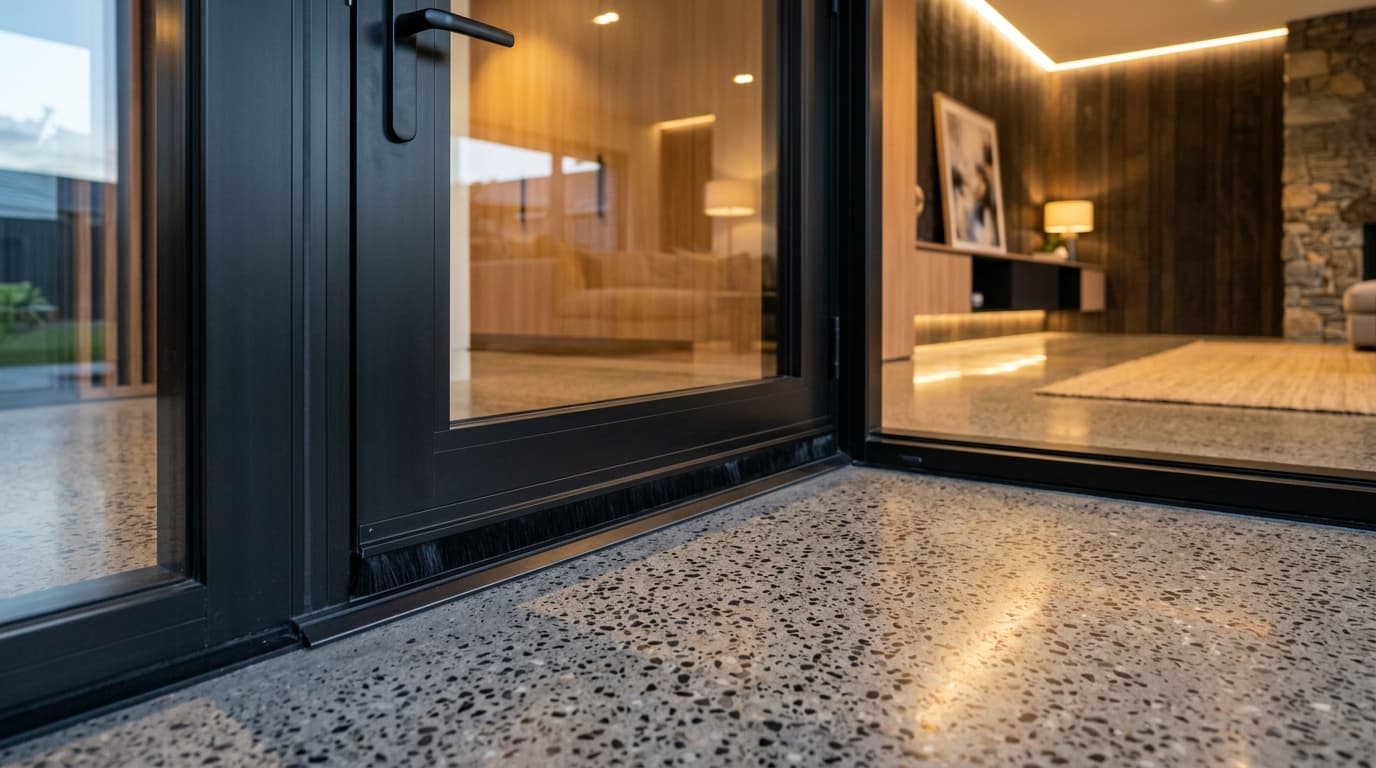
How to Stop Dust Coming Under a Door
The gap under the door is the biggest opening in most rooms. Which seal suits which door, and why brush beats rubber on a door that opens all day.
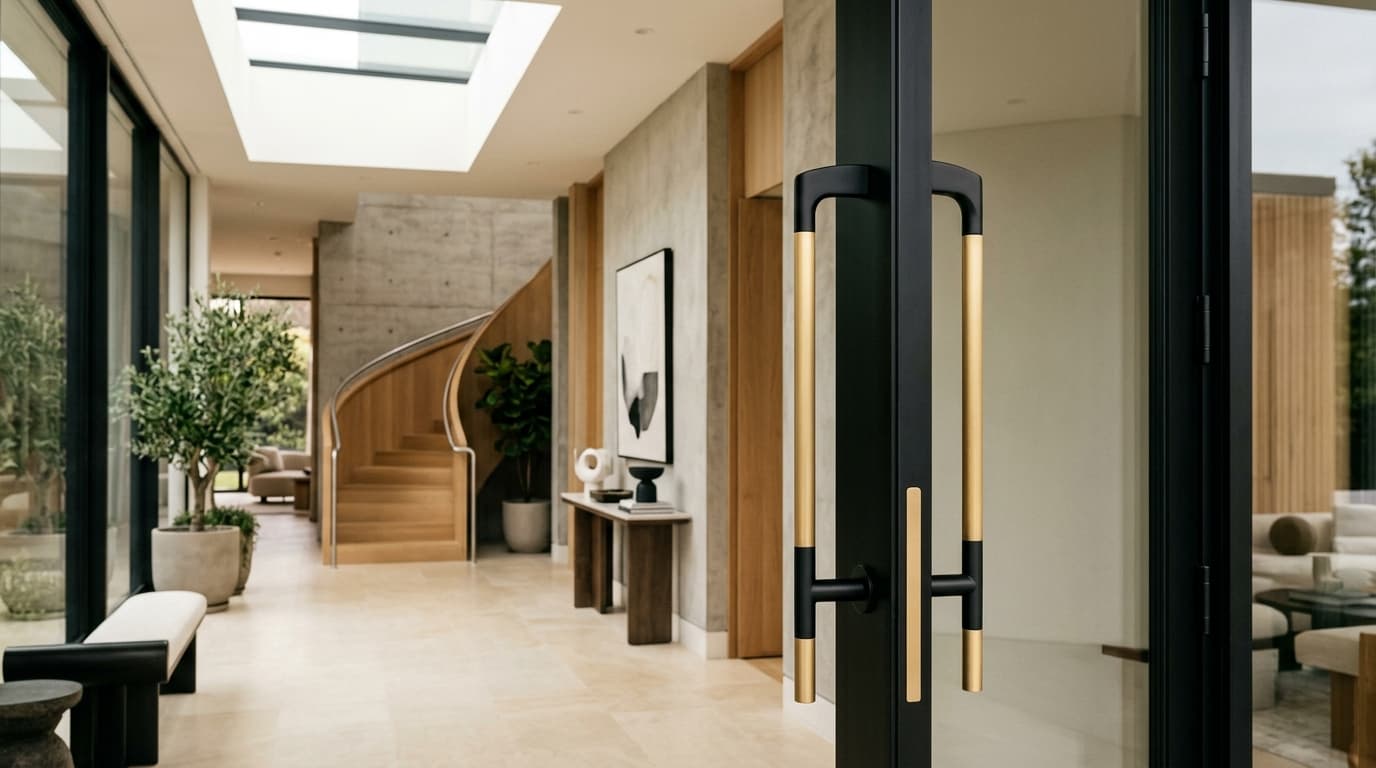
Aluminium Door Handle Types Explained: D, H, American and Taiwan
Four handle profiles, what each suits, and how to get the fixing centres right so you are not drilling a second set of holes.