How to Choose Aluminium Hardware for Residential vs Commercial Use

A comprehensive engineering guide on structural load requirements, wind pressure ratings, alloy selection (6063 vs 6061), and cycle testing for residential vs commercial projects.
What is the main difference between residential and commercial aluminium extrusions?
Commercial extrusions feature thicker wall sections (typically 2.0mm - 3.5mm), higher tensile alloy tempers (6061-T6 or 6005A-T6), and higher wind load resistance (Class C5) to withstand high-rise wind forces and heavy daily pedestrian usage compared to residential profiles.
Key Engineering Considerations for Hardware Selection
Choosing the right aluminium profile system requires evaluating four structural parameters: 1. Structural Alloy Grade & Temper 2. Profile Wall Thickness & Inertia 3. Wind Load & Deflection Limits 4. Hardware Duty Cycle Ratings
Have Questions About Profile Specifications for Your Project?
Speak directly with our metallurgical sales team. We assist architects and structural contractors with die design, alloy selection, and wind load calculations.
Written by Salasar Technical Engineering Team
Technical Hardware & Aluminium Engineering Team at Salasar Aluminium & Hardware, Raipur. Expert guidance on door kits, closers, shower hinges, and architectural fittings.
Read Next
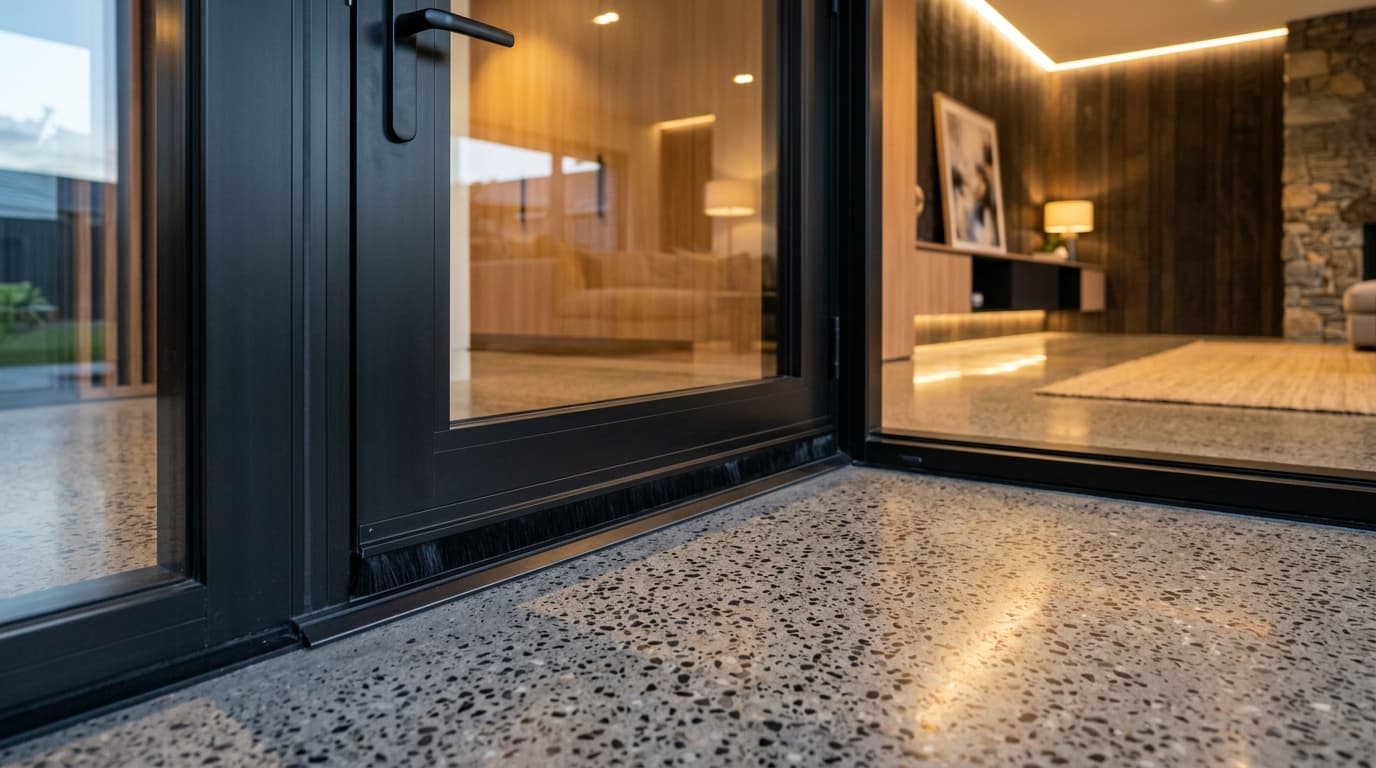
How to Stop Dust Coming Under a Door
The gap under the door is the biggest opening in most rooms. Which seal suits which door, and why brush beats rubber on a door that opens all day.

Aluminium Door Handle Types Explained: D, H, American and Taiwan
Four handle profiles, what each suits, and how to get the fixing centres right so you are not drilling a second set of holes.