Architectural Aluminium Finishes: Mill, Anodized, vs Powder Coated

Detailed comparison of surface treatment processes, micron layer thickness, corrosion resistance, and aesthetic selection for architectural profiles.
What is the main difference between anodized and powder-coated aluminium finishes?
Anodizing is an electro-chemical process that integrates the protective oxide layer into the aluminium metal itself, ensuring it will never chip or peel. Powder coating is an electrostatically applied polymer paint layer baked onto the surface, offering a wider range of custom RAL colors and ultra-matte textures.
Which aluminium finish is best for coastal or high-humidity regions?
For coastal environments exposed to salt mist, Class 1 or Class 2 Anodizing (20-25 microns) or Qualicoat Class 2 Architectural Powder Coating provides superior corrosion resistance against pitting and oxidation.
Introduction to Architectural Aluminium Finishes
When specifying aluminium extrusions for residential windows, commercial facades, or industrial machinery, selecting the correct surface finish is as crucial as choosing the structural alloy grade. The surface finish defines not only the visual aesthetic but also the material's lifespan, UV resistance, and resistance to environmental corrosion.
Have Questions About Profile Specifications for Your Project?
Speak directly with our metallurgical sales team. We assist architects and structural contractors with die design, alloy selection, and wind load calculations.
Written by Salasar Technical Engineering Team
Technical Hardware & Aluminium Engineering Team at Salasar Aluminium & Hardware, Raipur. Expert guidance on door kits, closers, shower hinges, and architectural fittings.
Read Next
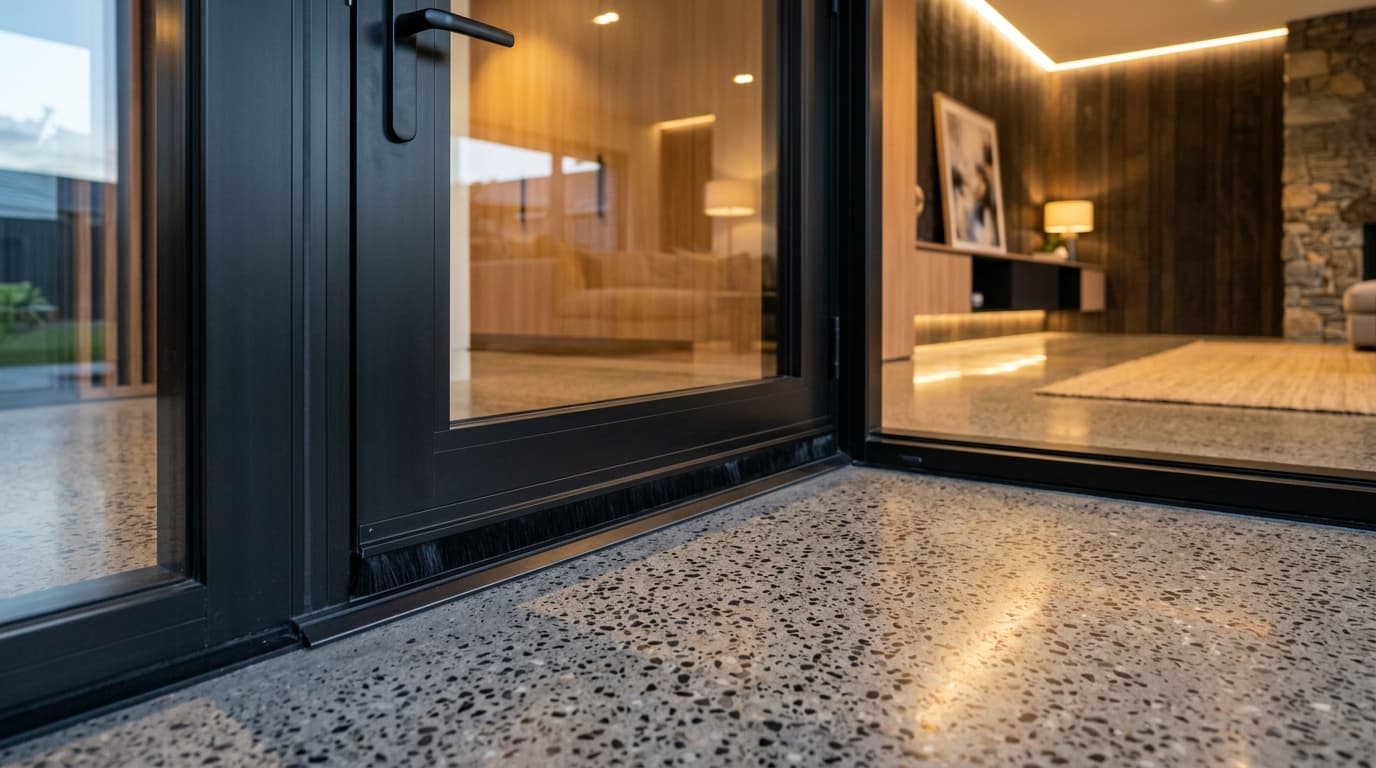
How to Stop Dust Coming Under a Door
The gap under the door is the biggest opening in most rooms. Which seal suits which door, and why brush beats rubber on a door that opens all day.
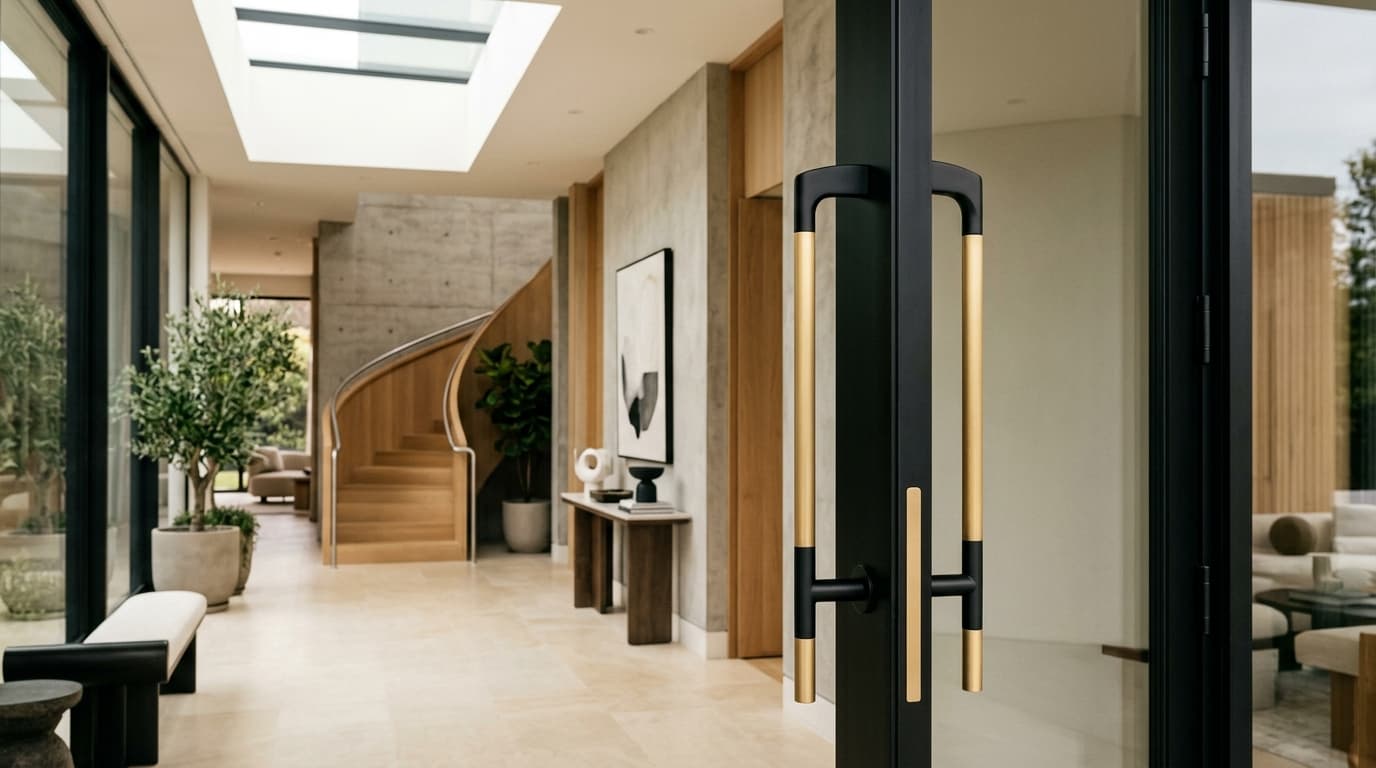
Aluminium Door Handle Types Explained: D, H, American and Taiwan
Four handle profiles, what each suits, and how to get the fixing centres right so you are not drilling a second set of holes.